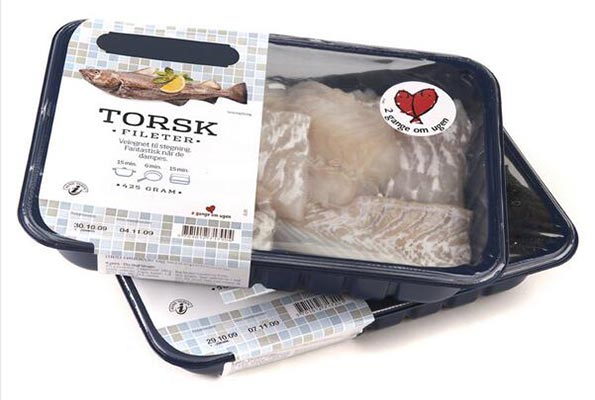
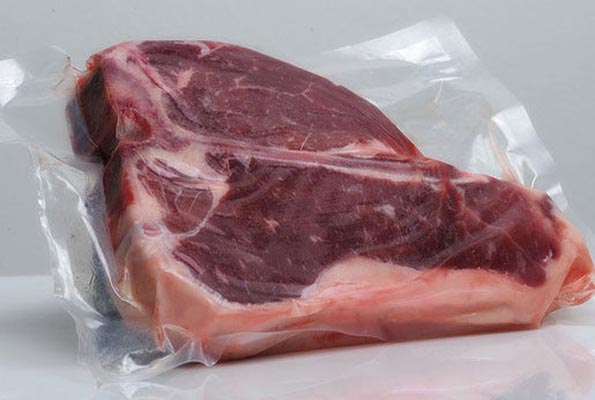
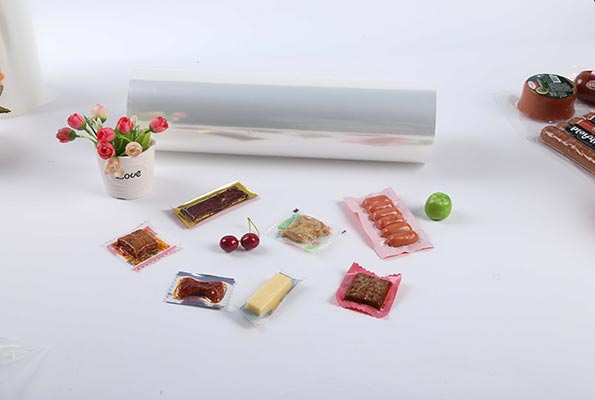
Vacuum Bag Composite Layup is an amazing procedure combines innovative technology and safety procedures to produce high-quality composite materials, also the BAIXIN MATERIAL's product such as ৭ স্তর পা পে. This process is ever more popular in industries like aerospace, automotive, and marine where strength, durability, and lightweight are necessary for performance.
সার্জারির বায়ুশূণ্য থলে Composite Layup process provides numerous advantages old-fashioned manufacturing. Firstly, it could produce parts that are composite high-quality finishes, which give a visually look appealing. Secondly, the technique can produce composites with excellent dimensions, making them much closer to the intended shape.
Also, the use of vacuum bags can expel air bubbles and voids between the known levels for the composite, that could significantly improve the strength and quality associated with the last product, just like the পিই ল্যামিনেটেড ভ্যাকুয়াম ব্যাগ made by BAIXIN MATERIAL. Lastly, because the vacuum bagging process guarantees an uniform distribution of, layered composites with optimized energy to weight ratio are manufactured.
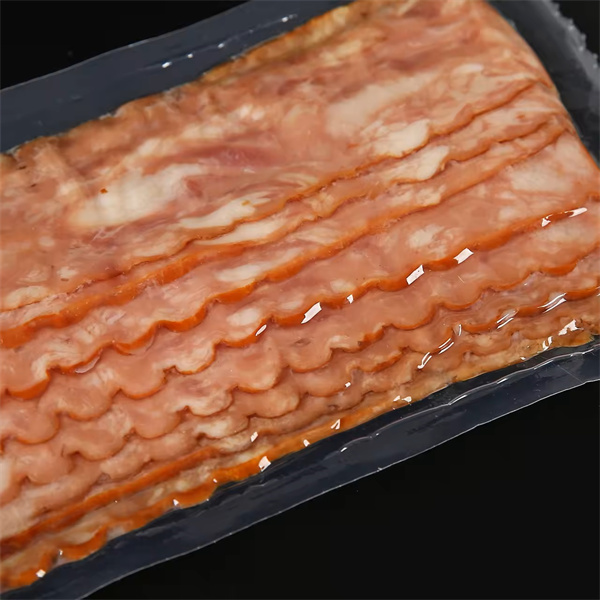
Vacuum Bag Composite Layup has revolutionized the technique materials that are composite manufactured, as well as the BAIXIN MATERIAL's evoh forming film. A selection is used by the method of materials that are impregnated with resin as they are layered to produce composite materials can be molded as a variety of shapes. By using this technique, companies have had the opportunity to keep costs down while improving quality.
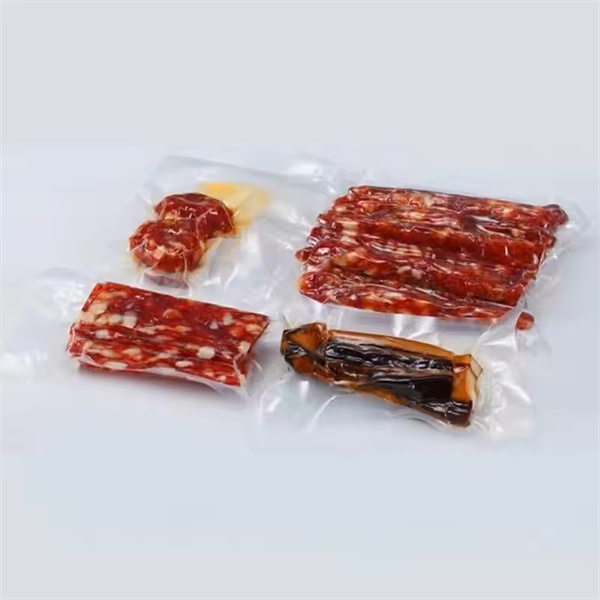
Safety is a significant problem it comes to manufacturing composites, identical to ৭ স্তর পা পে produced by BAIXIN MATERIAL. The Vacuum Bag Composite Layup procedure is merely a safer alternative contrasted to old-fashioned composite manufacturing as it calls for less manual intervention and reduces the ability of accidental exposure to poisonous drugs. Besides, the use of vacuum bags stops excess resin spreading, minimizing the impact of hazardous substances throughout the production process.
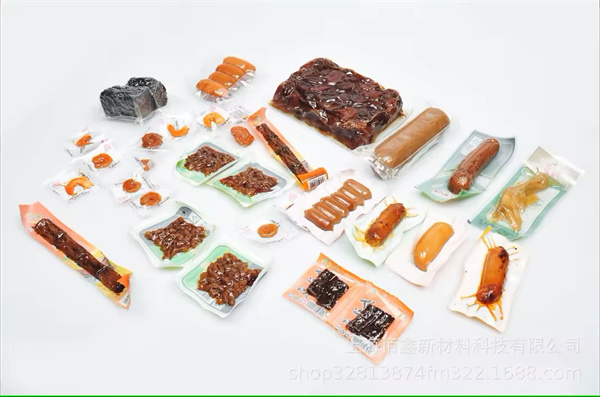
Vacuum Bag Composite Layup processes are commonly used in the aerospace, automotive, and marine industries to produce a variety of services and products, similar to the BAIXIN MATERIAL's product like খাদ্য গ্রেড পাউচ সিলার. This includes the manufacturing of internal and external elements of aircraft, motorboat, and car components, as well as for special jobs such as satellites and differing aspects of spacecraft.
The process of Vacuum Bag Composite Layup can be challenging, but with time and training, everyone can learn how to produce products being excellent. First, a mold has to be built to create the shape of this item. Following the mildew is ready, a layer of release movie is applied on it, followed by the vacuum bagging materials, which include a breather, sealant tape, and নাইলন ফিল্ম.
The next action to apply the pre-cut layers of composite materials from the mildew and vacuum bag them, using a cleaner pump to remove air from amongst the layers, also the নমনীয় প্লাস্টিক প্যাকেজিং বাজার supplied by BAIXIN MATERIAL. The final step to vacuum cure the composites and remove the vacuum cleaner bagging materials and release movie.
We realize quality and service are necessary elements when components that are making composite, the same as BAIXIN MATERIAL's ভ্যাকুয়াম খাদ্য সংরক্ষণ ব্যবস্থা. We consistently support our customers with the most useful Vacuum Bag Composite Layups, ensuring the quality composites that can be well. Our goal is usually to provide best achievable customer, which prioritizes quality, security, and innovation.
Vacuum Bag Composite Layup is used in producing a wide assortment of in various companies, along with the 7 co extruded film created by BAIXIN MATERIAL. When you look at the aerospace industry, composites are used in aircraft interior components hoods, wings, and lots of other areas. When you look at the marine industry, composites are used in making fiberglass boats, hulls, and decks. Into the composites industry that are automotive used for automobile parts such as hoods, doors, and bumpers.
 EN
EN  CN
CN AR
AR DE
DE ES
ES FR
FR RU
RU PT
PT