Vacuum Bag Fermentation – Make Your Food Tasty and Healthy.
Have you been fed up with eating similar old food day? Want to atart exercising . excitement and flavor to your diet? Look no further than vacuum cleaner bag Fermentation - a revolutionizes method that vacuum sealer bag alang sa pagkaon are new Fermentation. We will discuss the BAIXIN MATERIAL advantages of vacuum cleaner case Fermentation, how it works, and how it may improve your meals's quality, safety, and taste.
bag nga vacuum Fermentation is an innovative and method safe in of food. This has many advantages traditional Fermentation techniques, such as
1. Time-saving With vacuum cleaner bag Fermentation, you do not have to watch for weeks or months to look at outcome. It can take only some days to get fermented healthier food delicious.
2. Easy to use Unlike conventional Fermentation practices, cleaner bag Fermentation is easy to use. You are doingn't have to bother about getting your hands dirty or dealing with smelly Fermentation jars. To put it simply your food within the cleaner case and let the machine perform some rest.
3. space-saving vacuum take up less room than BAIXIN MATERIAL Fermentation jars, making them an ideal choice small kitchens or limited storage areas.
4. Quality Vacuum bag Fermentation preserves meals's normal nutrients, flavors, and textures, providing you with high-quality and healthy food.
5. Safety Vacuum bag Fermentation eliminates the possibility of mold growth, dangerous for the health. Besides, it reduces the chance of harmful bacteria that could cause diseases that vacuum sealer alang sa mga bag are foodborne.
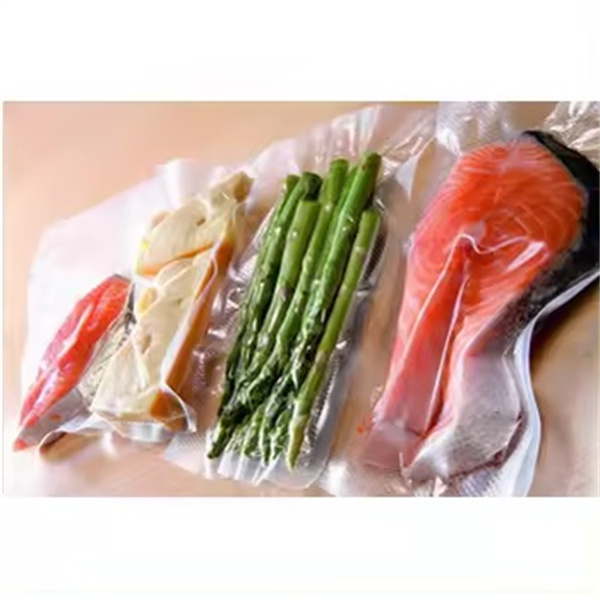
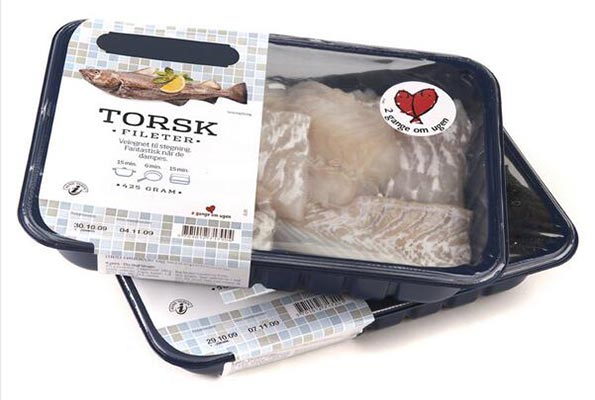
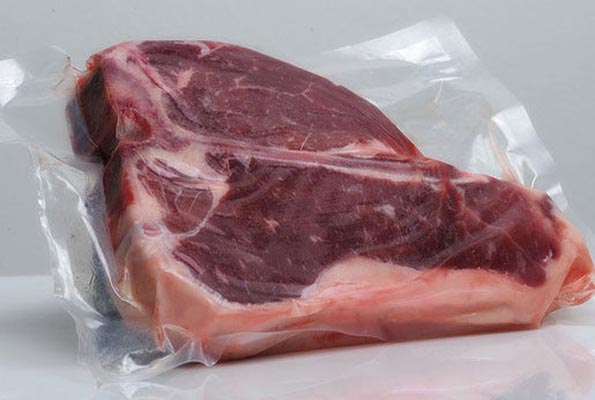
Vacuum bag Fermentation is simply a new technique has taken food Fermentation to another level. It involves using vacuum pressure sealer machine to evacuate the air away from a plastic bag containing food a fermenting agent. This vacuum shrink bag creates a low oxygen that BAIXIN MATERIAL favors the rise of useful bacteria and inhibits the development of parasites.
Cleaner bag Fermentation has opened often doors new food and Fermentation. It permits you to ferment many different foods, including vegetables, fruits, meats, and dairy food, without the necessity for specialized gear or knowledge.
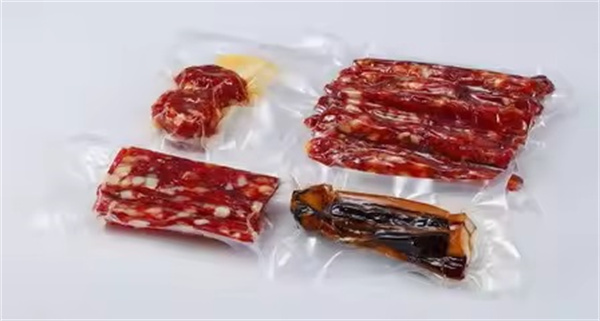
Safety is generally a top issue it comes down to food Fermentation. Vacuum bag Fermentation has proven to work and safe when done correctly. Here are some tips to ensure safety when using cleaner
1. use designed vacuum high-quality food use, which makes sure they have been free of leaks.
2. neat and sterilize all utensils and surfaces before using them.
3. Follow the directions when you look at the vacuum sealer machine nor exceed advised amount of food into the bag.
4. Store your fermented food in the refrigerator after it's ready, and consume it within a reasonable duration.
To use cleaner bag Fermentation, follow these steps that vacuum storage bag mga yano
1. Prepare your food and a fermenting agent such as salt, whey, if not a beginner culture.
2. put the food additionally the BAIXIN MATERIAL fermenting representative vacuum pressure bag, leaving some space for Fermentation.
3. Seal the bag using a vacuum sealer machine, making sure to remove most of the air.
4. position the bag in a hot and dark place Fermentation. Always check it sporadically until it reaches the specified amount of Fermentation.
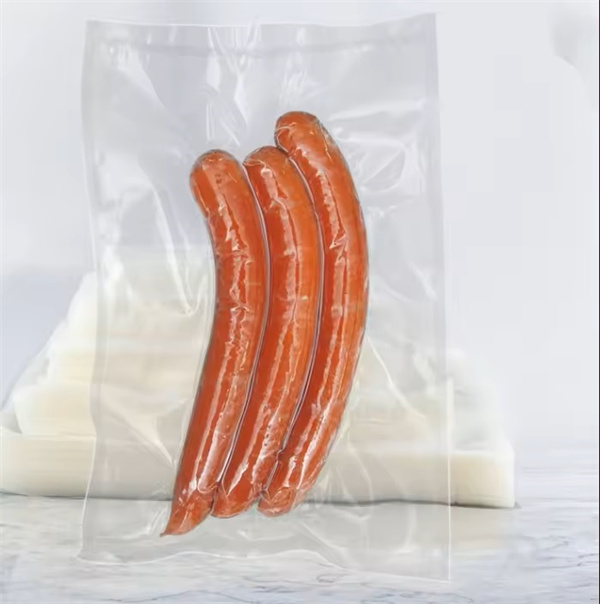
When considering to food Fermentation, quality is a must. Vacuum bag Fermentation preserves the quality of food by providing a controlled and airtight environment promotes the growth of useful bacteria. This leads to fermented tasty meals healthy and nutrient-rich.
In addition, cleaner case Fermentation machines come with a variety of features to guarantee the vakum nga bag quality of the Fermentation procedure. They will have automatic pressure and temperature control, which enables you to personalize the Fermentation according to your preferences.
Finally, vacuum case Fermentation has applications that are various the BAIXIN MATERIAL food industry. It is used to produce a wide range of fermented meals, including pickles, sauerkraut, kimchi, cheese, yogurt, and sourdough bread. It's also used into the creation of some fermented beverages, such as alcohol and wine.
 EN
EN  CN
CN AR
AR DE
DE ES
ES FR
FR RU
RU PT
PT