EN
EN  CN
CN AR
AR DE
DE ES
ES FR
FR RU
RU PT
PT
Choosing the right plastic for vacuum forming is very important. Vacuum forming is a process that shapes plastic into different forms using heat and a vacuum. Many types of plastics can be used for this process, and each has its own strengths and weaknesses. At Baixin Material, we know that selecting the right plastic makes a big difference in the final product. You need to consider factors like strength, flexibility, and how the plastic will be used. Some common plastics used in vacuum forming include ABS, PETG, and HIPS. Each type of plastic has unique qualities. For example, ABS is tough and durable, while PETG is clear and can be used for items that need to look nice. HIPS is often used for food packaging because it is safe and easy to shape. Picking the right plastic can help your project be successful.
How to Choose the Right Plastic for Vacuum Forming Projects
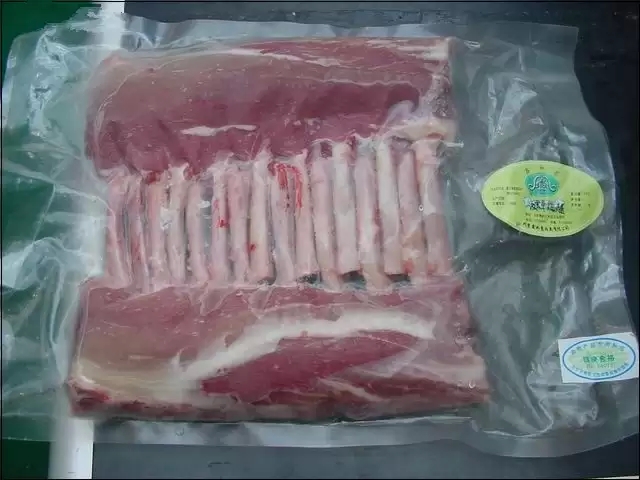
When you start a vacuum forming project, knowing how to pick the right plastic is key. You want to think about how the end product will be used. If you need something strong, like a part for a car, ABS is a great choice. It's very hard and won't break easily. If clarity is important, like in display cases, PETG is better because it is clear and looks good. Also, consider the thickness of the plastic. Thicker vacuum plastic bag can be harder to shape, but they are also more durable. If you need something lightweight, try using thinner sheets of plastic. Another thing to keep in mind is the temperature. Different plastics need different amounts of heat to get soft. Make sure the equipment you have can handle the type of plastic you choose. Consider the cost as well. Some plastics are more costly than others. If you are restricted on budget, HIPS could be a proper choice for its less cost yet it could function fine. Last but not least, consider the way the plastic will be processed after molding. Some plastics are more suitable for painting or glueing. Just take these into your consideration. Baixin Material is here, we will provide you with the best plastics solution for your needs.
Common Usage Issues with Vacuum Forming Plastics and Solutions
When working with vacuum forming, there can be some problems that pop up. One common issue is warping. Sometimes, when the plastic cools, it can bend out of shape. This usually happens if the plastic is not heated evenly. To fix this, make sure to heat the entire sheet of plastic properly. Another problem is air bubbles, which can happen if the vacuum does not pull out all the air. To avoid this, ensure that the mold is smooth and that the plastic is pressed tightly against it. If you are using a mold with deep details, make sure the plastic is hot enough to flow into all the little grooves. If you notice that some parts are thinner than others, it may mean you need to adjust how you are pulling the plastic. Also, when using certain plastics, they can be tricky to paint or glue onto. For example, PETG can be hard to paint because of its smooth surface. Using special primers can help the paint stick better. Lastly, some plastics are not great with certain chemicals, which can cause them to break down. Always check the chemical resistance of the plastic you are using. At Baixin Material, we have experience with these issues and can help you troubleshoot and find solutions to make your vacuum forming project a success.
Choosing the Right Materials for Vacuum Forming
When it comes to vacuum forming, choosing the right material is very important. Vacuum forming is a way to make shapes out of plastic by heating it and then sucking it onto a mold. To get the best results, you need to optimize your vacuum forming process with the right materials. One popular choice is polystyrene, which is light and easy to shape. It can be used for making things like packaging and displays. Another good option is ABS, which is a bit stronger and works well for making items that need to be tough, like toys or parts for machines. Polycarbonate is also a great choice because it is very strong and can handle heat. At Baixin Material, we believe in providing the best plastic stretch film for your vacuum forming needs. It is important to consider how the plastic will be used. For example, if you need something that will be outside, you might want to use a plastic that can resist sunlight and weather. Always think about what you want your final product to be like. Different plastics have different qualities, and understanding these qualities can help you pick the best one.
Benefits of Using Polycarbonate in Vacuum Forming
Using polycarbonate for vacuum forming has many benefits. First, polycarbonate is very strong and tough. It can take a lot of hits without breaking, making it a great choice for products that might get dropped or bumped. Second, polycarbonate can resist heat better than many other plastics. This means it won't melt or warp easily when it gets warm. This is especially important for items that might be near heat sources. Third, polycarbonate is clear, so it can be used for things like light covers or windows where you want to see through. With Baixin Material, you can trust that our polycarbonate products will meet your needs for strength, heat resistance, and clarity. Another benefit of using polycarbonate is that it is easy to shape. When heated, it becomes soft and can be molded into different forms. This makes it a favorite among many people who work with vacuum forming. Polycarbonate can also be recycled, which is better for the environment. By using this plastic, you are not only getting a great product but also helping to reduce waste. Overall, polycarbonate is an excellent choice for many different vacuum forming projects because of its strength, heat resistance, clarity, and recyclability.
Key Factors to Consider When Selecting Vacuum Forming Plastics
When selecting plastic for vacuum forming, there are several factors you should consider. First, think about the purpose of the item you are making. Is it for indoor use or outdoor use? If it will be outside, you need a plastic that can handle sunlight and rain. If it is for indoor use, you might focus more on how it looks or feels. Second, consider the strength of the plastic. Some items need to be very strong, while others can be more delicate. Choosing a strong plastic like polycarbonate from Baixin Material can ensure that your item lasts a long time. Third, look at the thickness of the plastic. Thicker plastic packing film can be stronger, but it can also be harder to shape. You need to find a balance between strength and ease of use. Another important factor is the temperature. Different plastics have different melting points, so you need to know how hot you can get your material without damaging it. Lastly, think about the cost. Some plastics are more expensive than others, so you need to find a material that fits your budget while still meeting your needs. By considering these factors, you can choose the right plastic for your vacuum forming project, ensuring that you get the best results possible.